Leisure vs Liesure: Which Spelling Is Correct?

If you’ve ever typed liesure and wondered whether it looks right, you’re not alone. The words leisure and liesure look ...
Read more
Transferred vs Transfered: Which Spelling Is Correct?

Transferred is the correct spelling. It is the past tense and past participle of transfer, meaning to move something or ...
Read more
February vs Febuary: Which Spelling Is Correct?

The confusion is understandable. People often search for February vs Febuary, February or Febuary, which spelling is correct, or Febuary ...
Read more
Absence vs Absense: Which Spelling Is Correct?
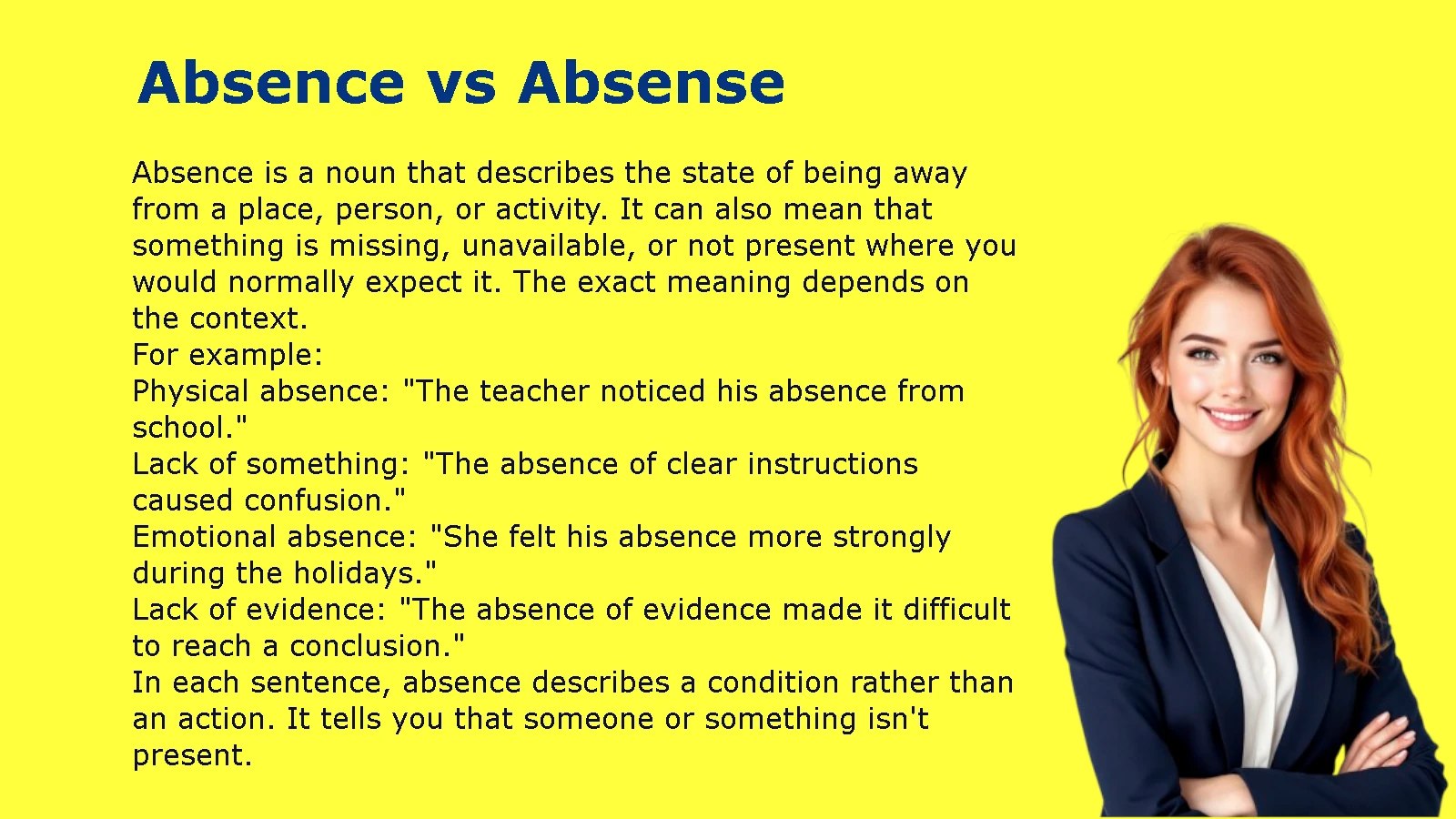
Absence is the correct spelling. It refers to the state of being away from a place, not being present, or ...
Read more
Humorous vs Humourous: Which Spelling Is Correct?
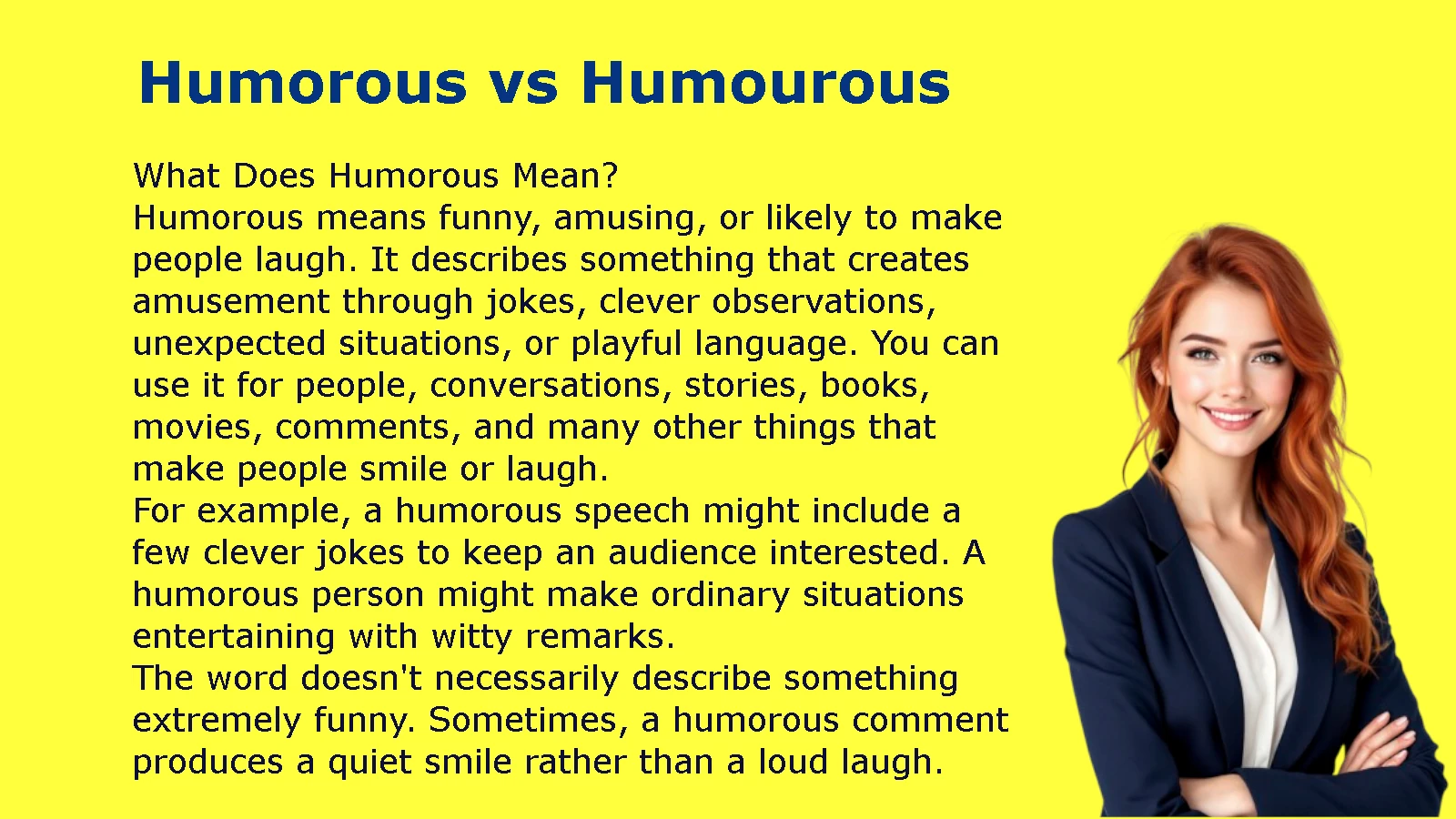
Humorous is the correct spelling in American English. It means funny, amusing, or causing laughter. Humourous is a less common ...
Read more
Upward or Upwards: Which Is Correct?

Upward and upwards are both correct, but they do not have exactly the same grammatical role. Upward can function as ...
Read more
Anyway or Anyways: Which Is Correct? Meaning, Usage & Examples

Anyway vs. Anyways: The Quick Answer “Anyway” is the standard spelling and the safest choice in almost every situation. “Anyways” ...
Read more
Northward or Northwards: Which Is Correct? Meaning, Difference, and Examples

If you’re wondering whether northward or northwards is the correct form, the good news is that both words are correct. ...
Read more
Outward or Outwards: Which Is Correct?

Outward and outwards are both correct English words, but they can differ slightly in meaning, usage, and regional preference. If ...
Read more
Toward or Towards: Which Is Correct? Meaning, Difference, and Examples

Toward or towards is a common English spelling and usage question that can confuse even experienced writers. Both forms are ...
Read more



